Fire Rabbit Studio

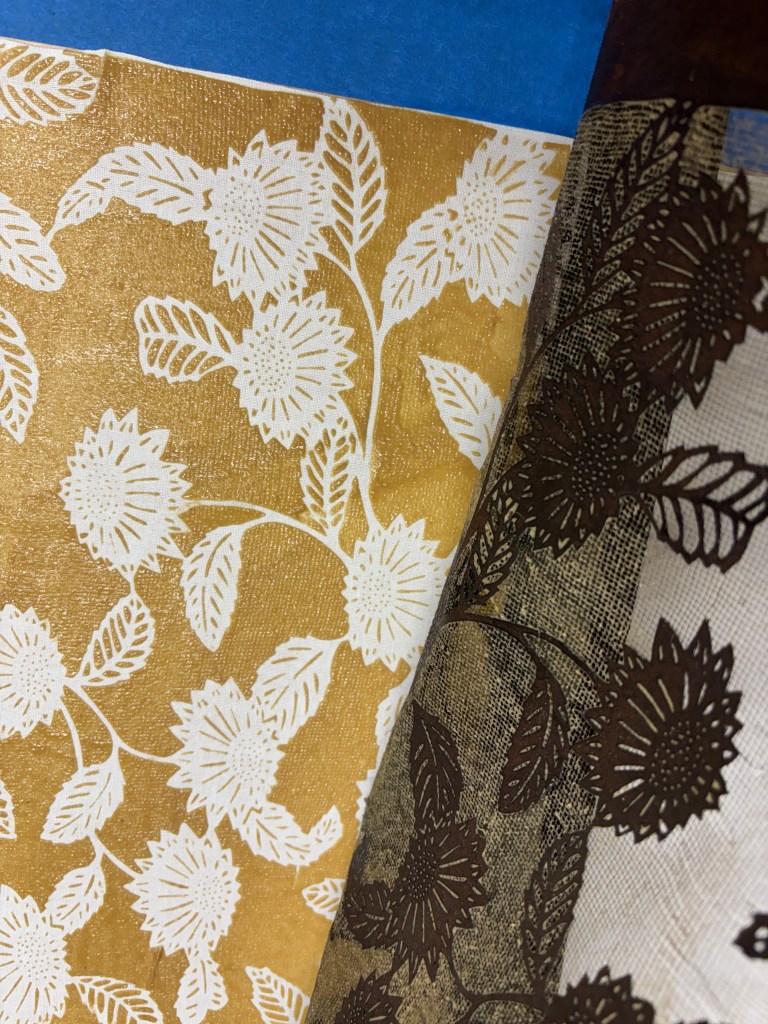
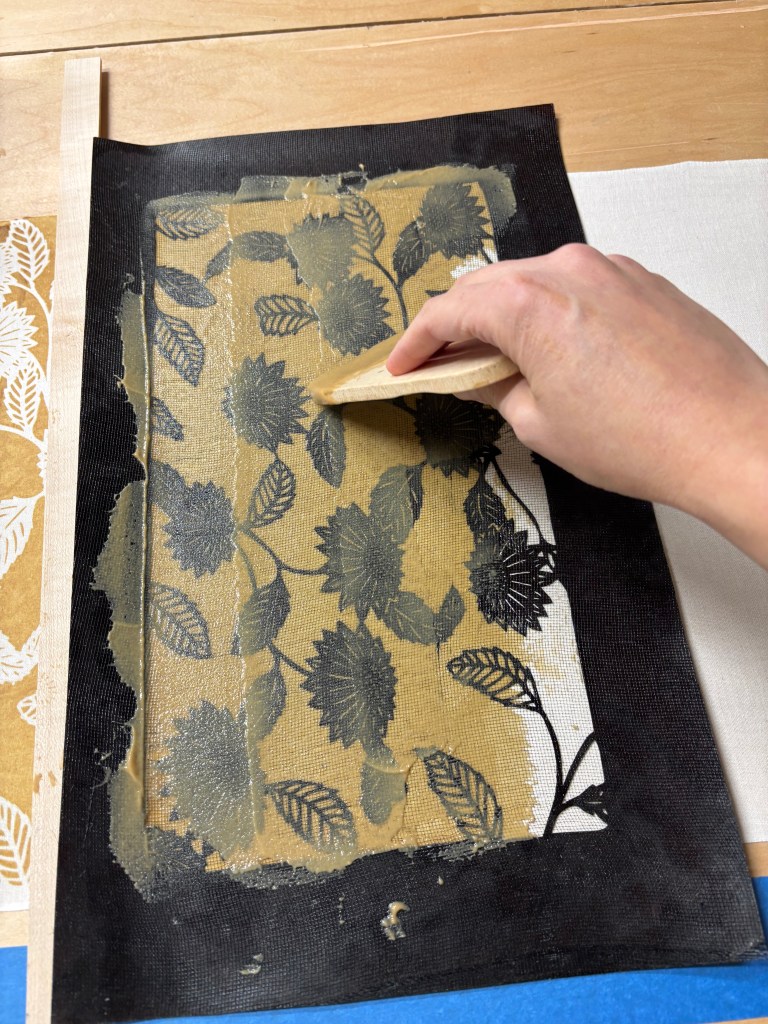
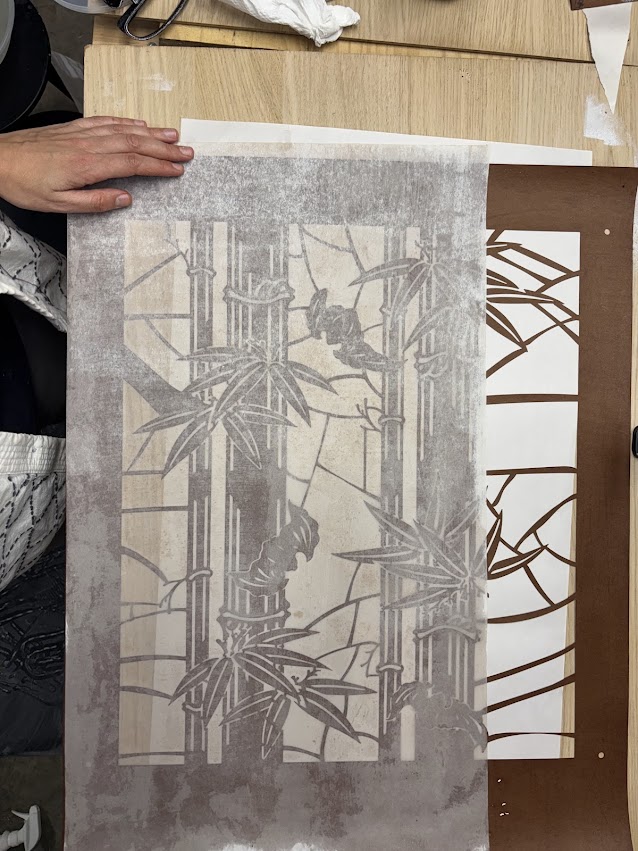
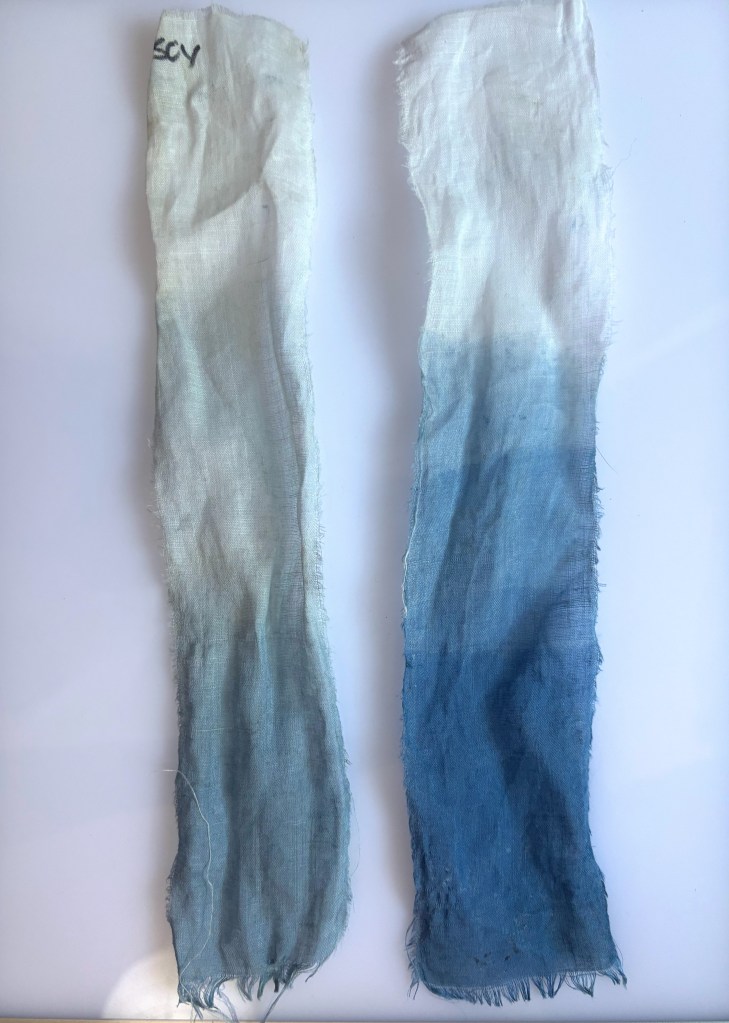
Hello, I’m Susan Glasgow. I practice katazome, a traditional Okinawan and Japanese method of dyeing patterned cloth. I was drawn to this method for its precision, and its sustainability. Not only does it achieve fine, beautiful patterns in multiple colors, it originated as a completely biodegradable process using local matarials.

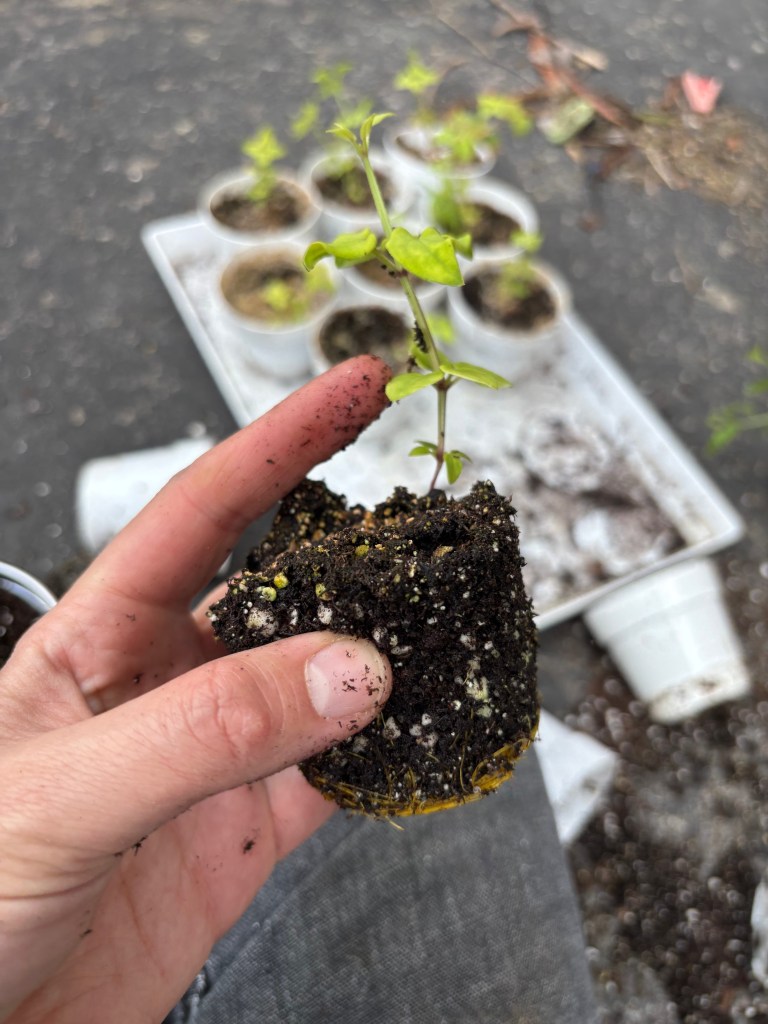
I’m an artist with a formal engineering education. I bring my understanding of math and science to traditional craft. I enjoy improving the process of art almost as much as I enjoy making things. Understanding the chemistry behind why a dye works or a sizing behaves a certain way allows me to improve on traditional techniques and bring the art into the modern era, making items that are relevant to everyday use.

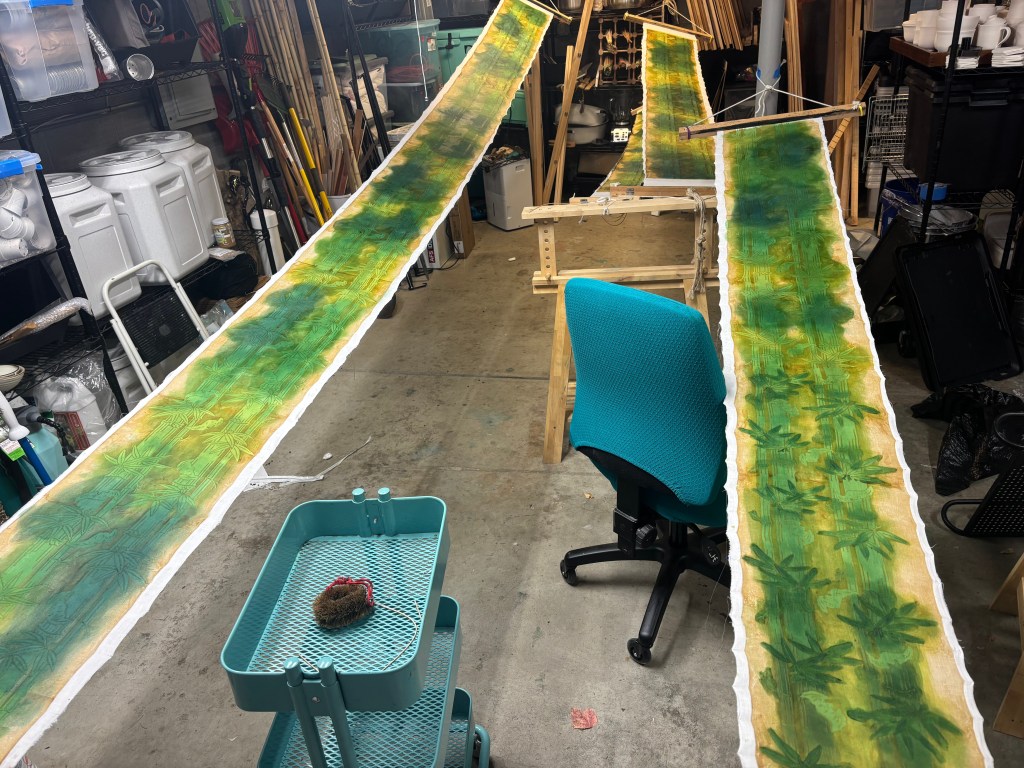
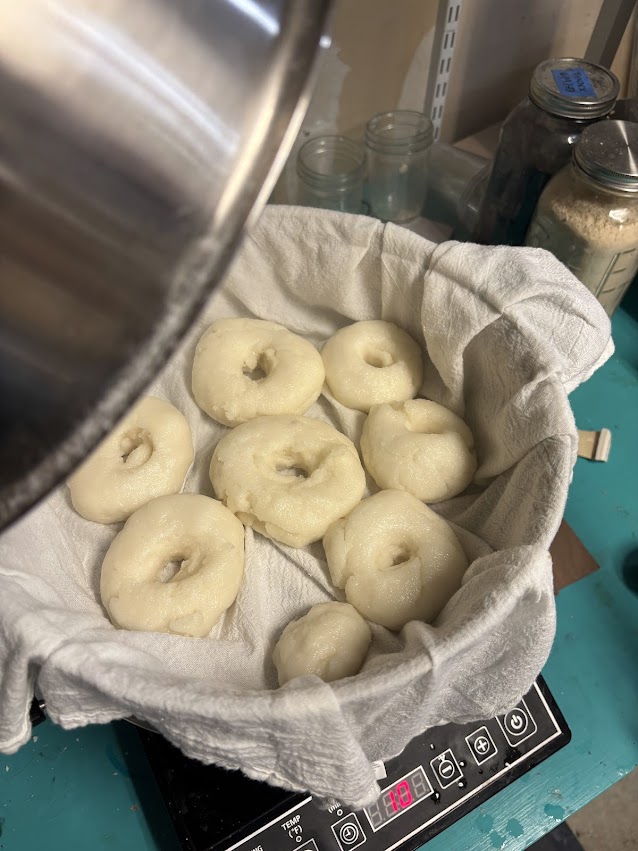
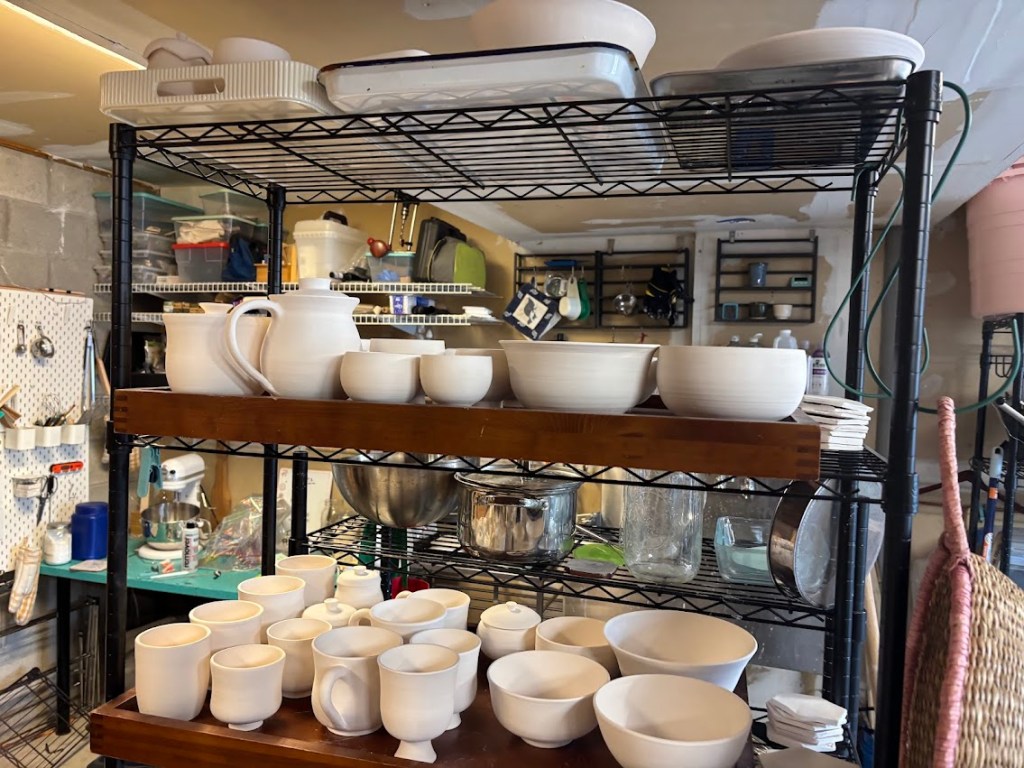
I make all my art in my two car garage, in a very simple suburban home, nothing special. My shots of my process in my articles are not glamorous or staged. I have not gone out of my way to change this because I want people to understand that katazome is something anyone can do. It or Sometimes things are messy in the background. This is because art is inherently messy in a small space, and cleaning frequently is also part of craft. I don’t have an aesthetic background in which I make my art, I focus on making my art beautiful instead.

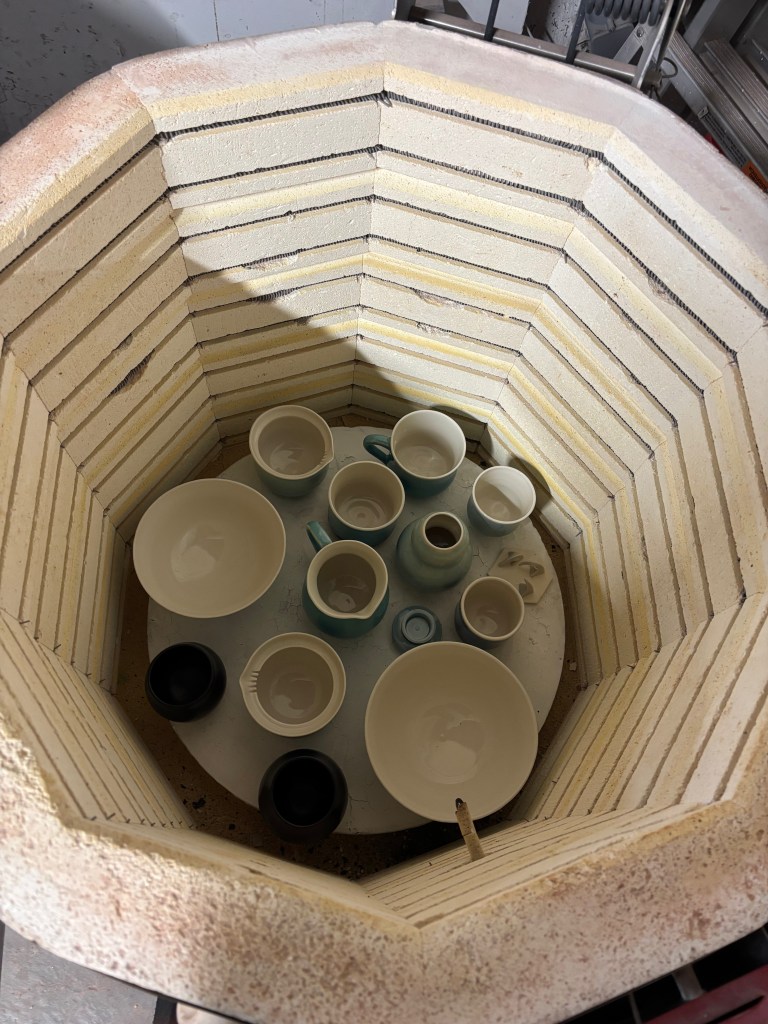
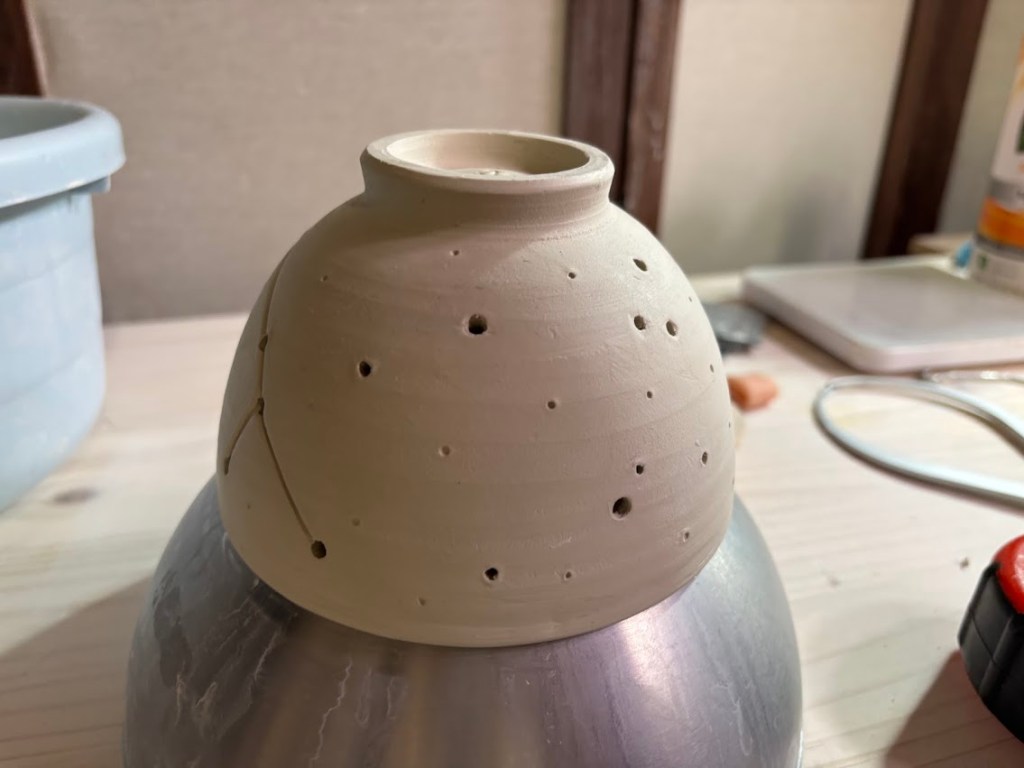
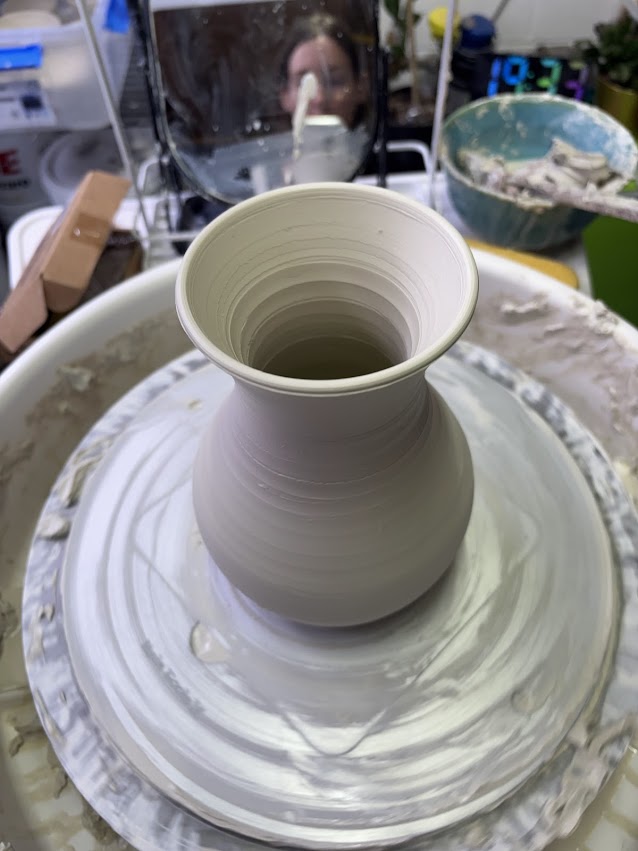
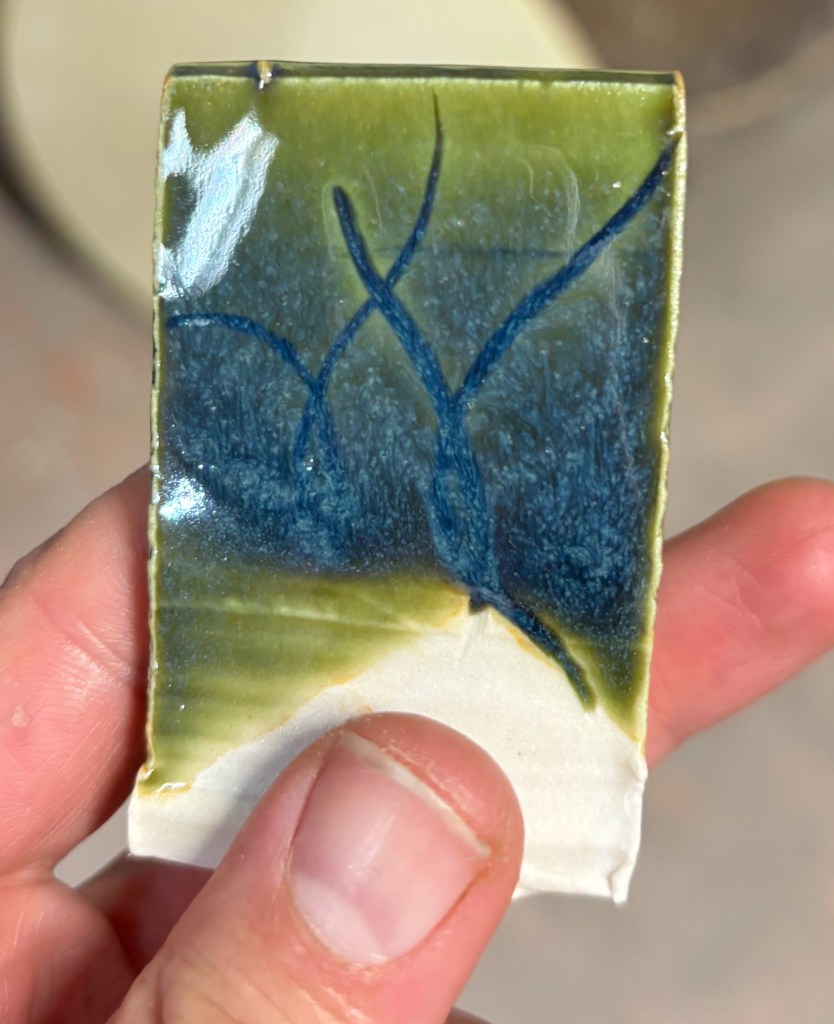
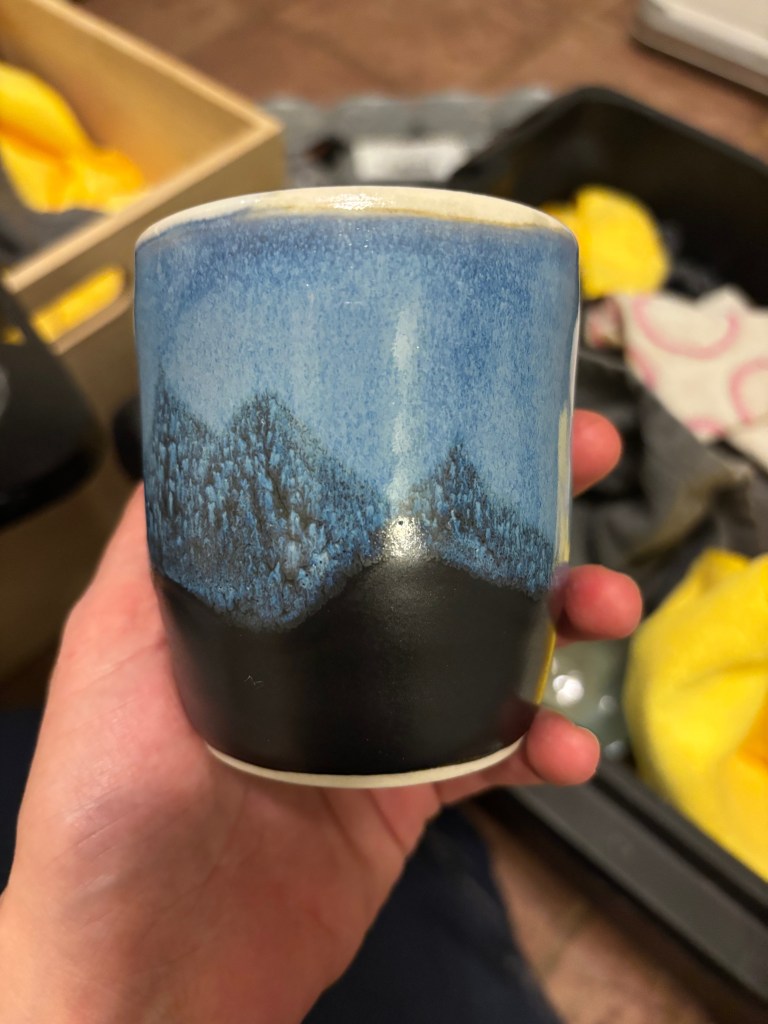
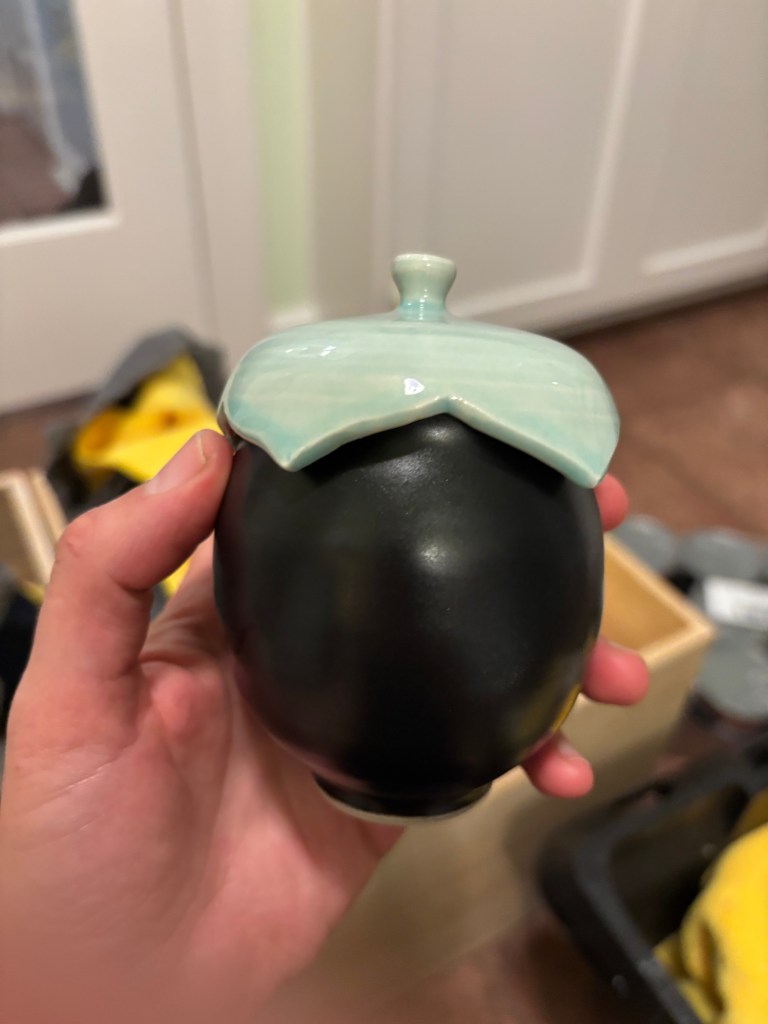
Recently I began practicing pottery as a form of therapy for my hands, and as a way to continue my art practice through the cold Pennsylvania winters, when the temperatures in the dye studio reach below freezing. Not only is the chemistry of glazing another interesting scientific practice, the act of throwing pottery is incredible exercise for my upper body. It’s allowed me to be able to practice longer bingata and hikizome sessions, and I can now lift large buckets of dye water with ease!

My art is sometimes for sale through the shop link, and I accept commissions through email. I practice traditional arts with a long process, so please understand that things move slowly because they are done the old way, and that prices are commiserate with the amount of work and knowledge put into each piece. I try to charge fair prices for my skill, while keeping pieces accessible, but I will never be able to match the price or process efficiency of factory made goods.