I’m officially renaming this post series to the Japanese Dye Garden, because I talk about more than just akane.
It’s almost September now, summer passed by very quickly. I should have done an update for the solstice, but I was so busy harvesting indigo and experimenting with madder that I neglected the diary. Fortunately, I took pictures, so this will just be a little bit longer update.
When I last left off, I had just planted everything. I’m happy to report I didn’t have any substantial losses; a few of the akane had poor placement and withered, but overall, most of the plants thrived. The akane seems to prefer far more shade than I expected. What I could find about its cultivation said dappled or partial shade, but it’s very happy in deep shade as well as dappled.

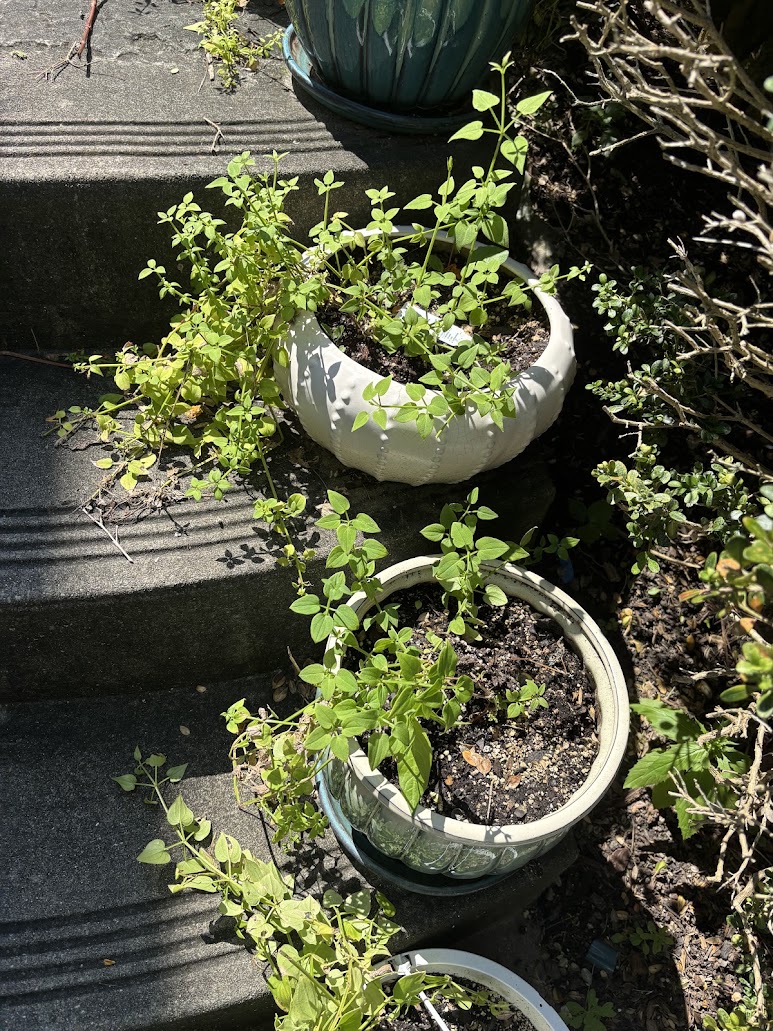
The akane in the pots shaded by the boxwoods of my yard is doing the best out of everyone, though. I think this is more an indication of soil quality. The soil in my yard is quite poor, and while I did amend it, it’s never going to be the quality of potting soil.
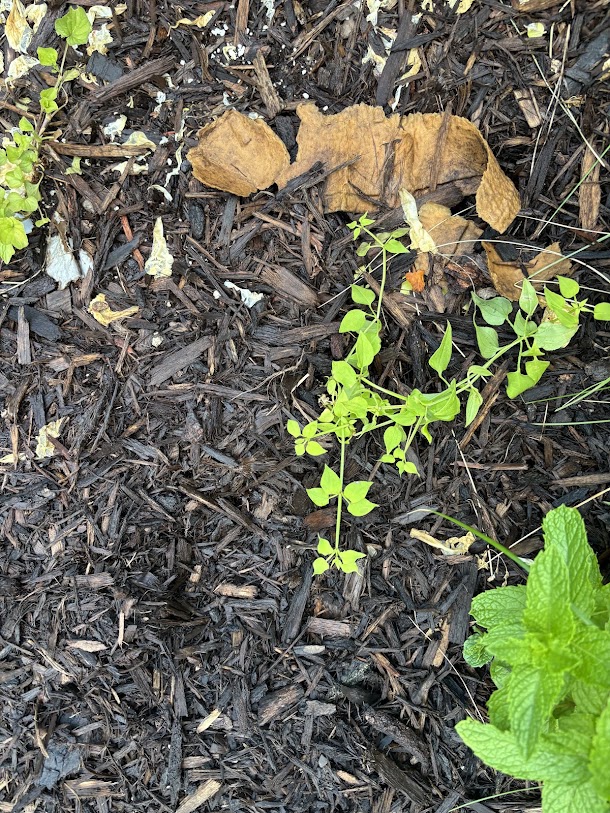
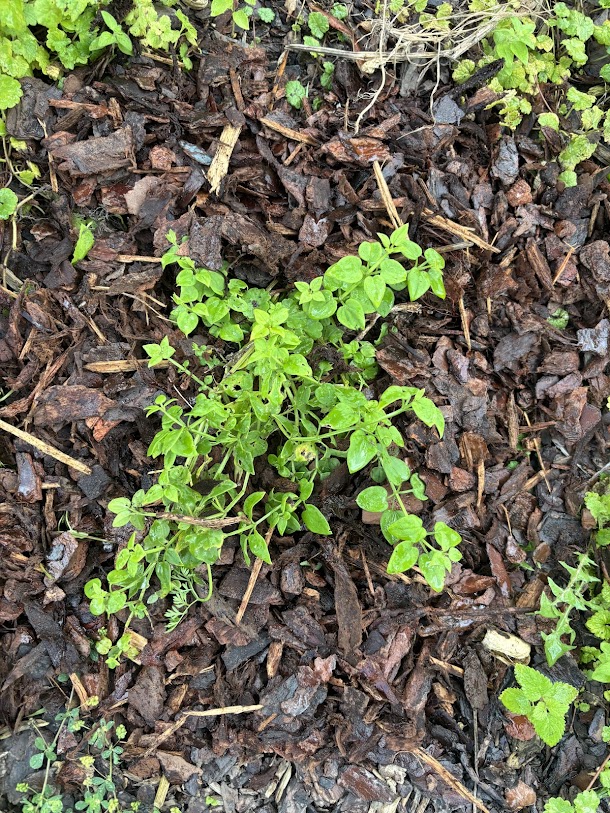
Akane grows wild in Japan in its forests. Trying to simulate that environment, I did my best to plant it under and around trees and bushes, and I mulched around it a little bit to keep the violets at bay. It seems quite content as a sprawling ground cover, and it’s refreshing to look at with its bright, heart shaped leaves.
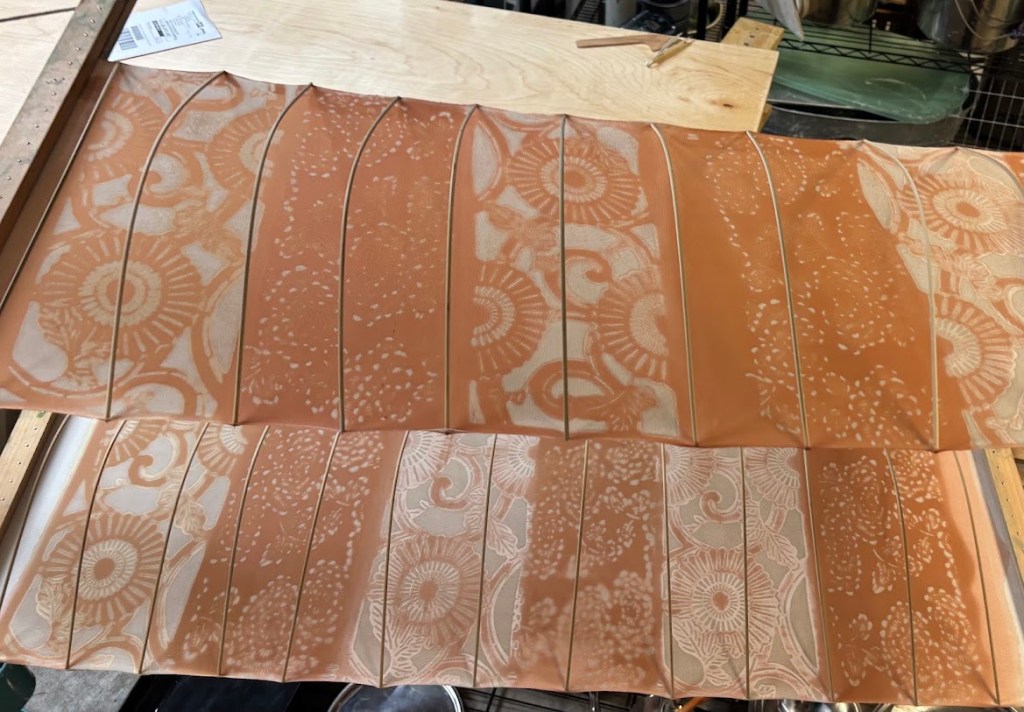
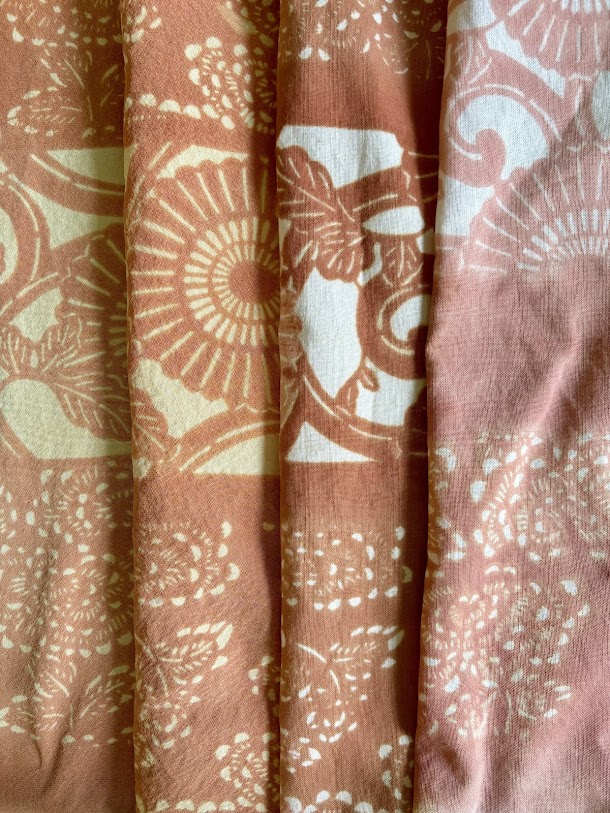
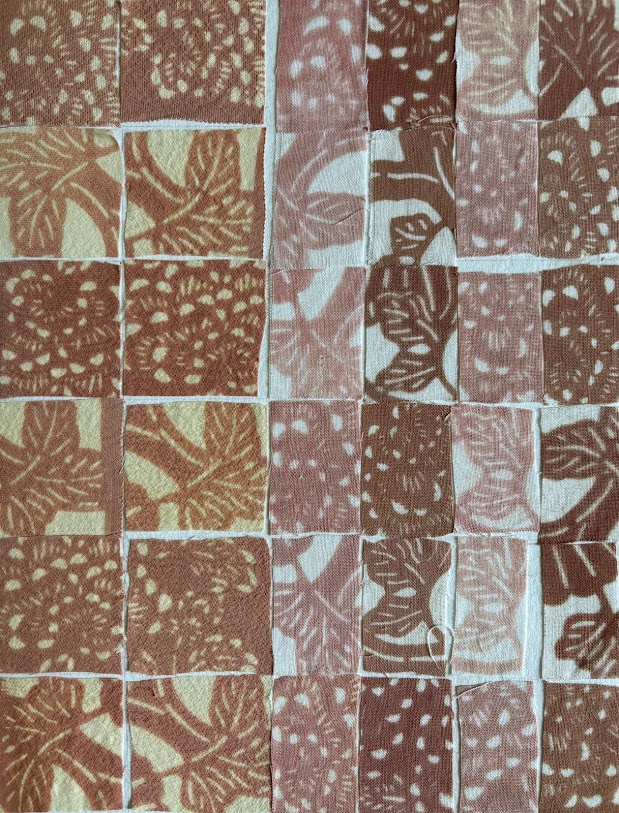
To prepare for the eventual akane harvest, I did some experiments with katazome and regular rubia cordifolia, on optimal mordants and tannins and ordering of layers. There’s quite a range and I’m going to iterate further in the fall months to get to optimal. I’ll be posting my results and eventual recommendations for that on my patreon, as it was a substantive amount of work.
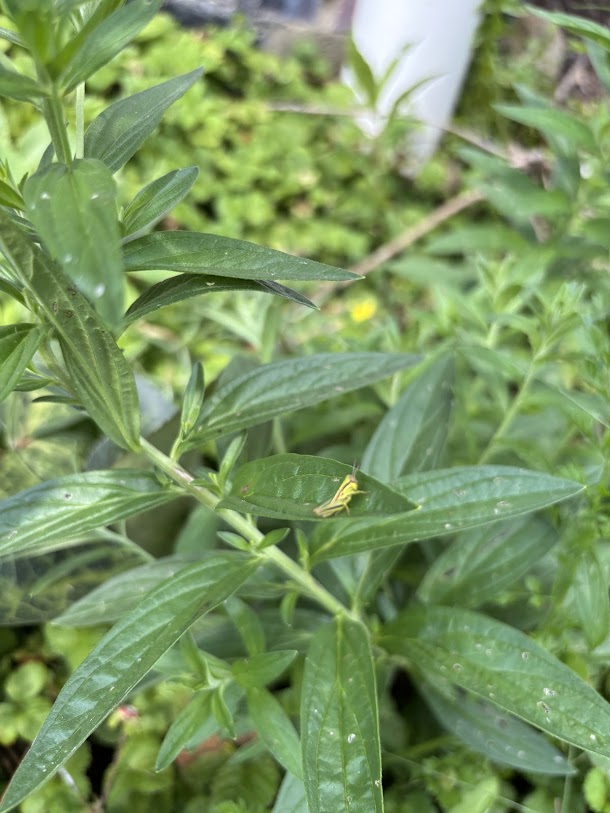
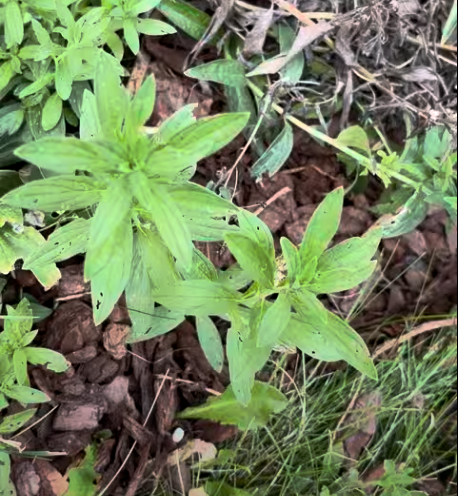
The murasaki grew everywhere, all around the yard, and I have many volunteers now. I understand it is endangered in Japan, and I’m very curious as to why that is. I can think of no other reason other than the extensive usage of herbicides, because it’s very vigorous in my poor Pennsylvania soil. I appreciate its weedy resilience, but I do wish it was a little more aesthetic. It gets quite floppy and disorderly late in the season, and I had to mulch under it and extend its beds outwards. The pollinators seem to like its small flowers, at least, and any seeds I don’t harvest are often eaten.

I have not had the time this summer to peruse through the book on murasaki cultivation in Japan, but I will now in the coming weeks as the season winds down. Fortunately it’s not time to harvest yet.
The indigo… I think I set myself up for failure, that one year I started, and I put all the indigo in pots with Black and Gold fertilizer. I succeeded brilliantly, beyond my wildest dreams, and managed to dye the most electric shade of blue in early July with only a 3:1 leaf to fabric ratio. I have never been able to replicate this success in the ground, even this year, with beds amended with manure and compost. I suppose this really does make the case for planting in nice soil that you bought, but it is very expensive even at a modest scale.
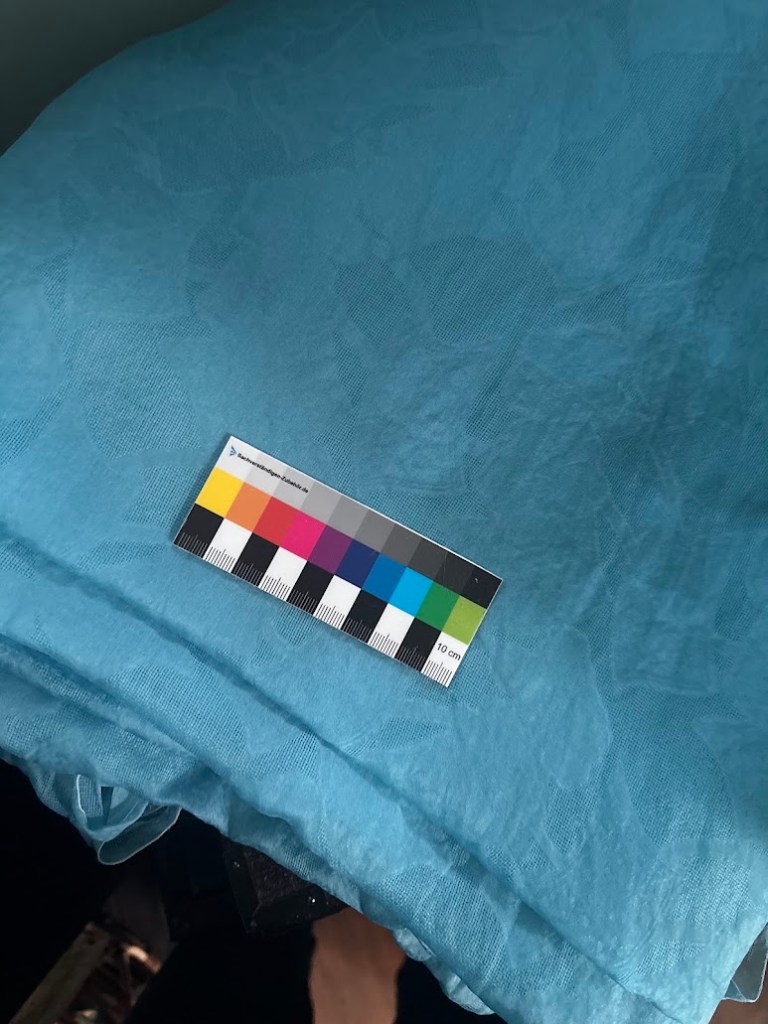
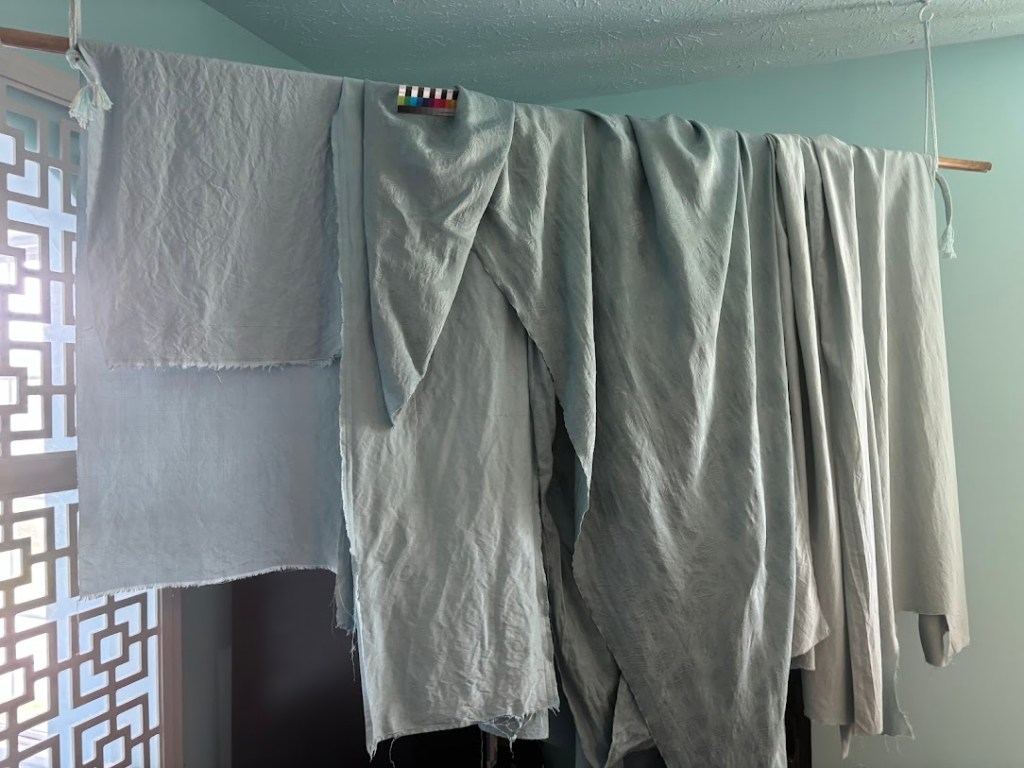
I did two fresh leaf extractions, and finally got my ra silk to a shade I’m happy with. I also attempted a new type of extraction with hot water, but I failed to execute correctly, so I’ll have to try again with the remaining leaves.
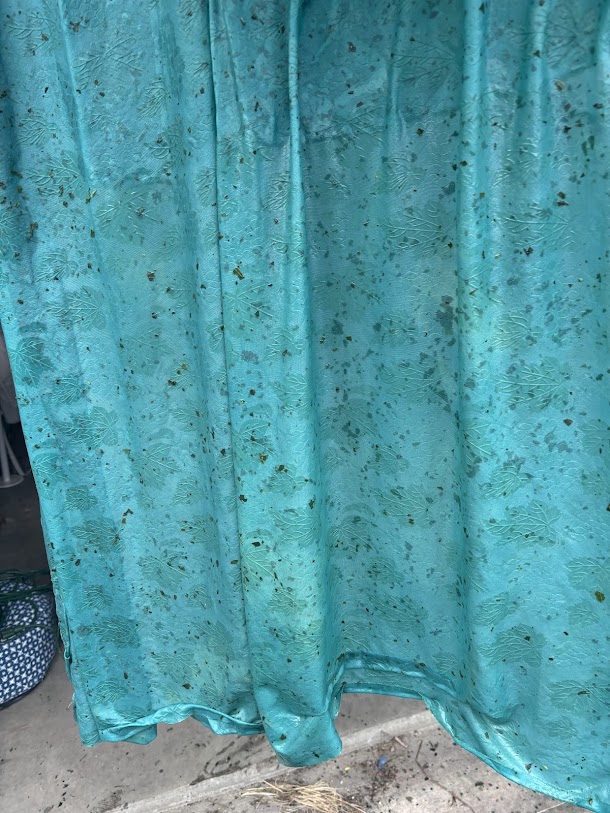
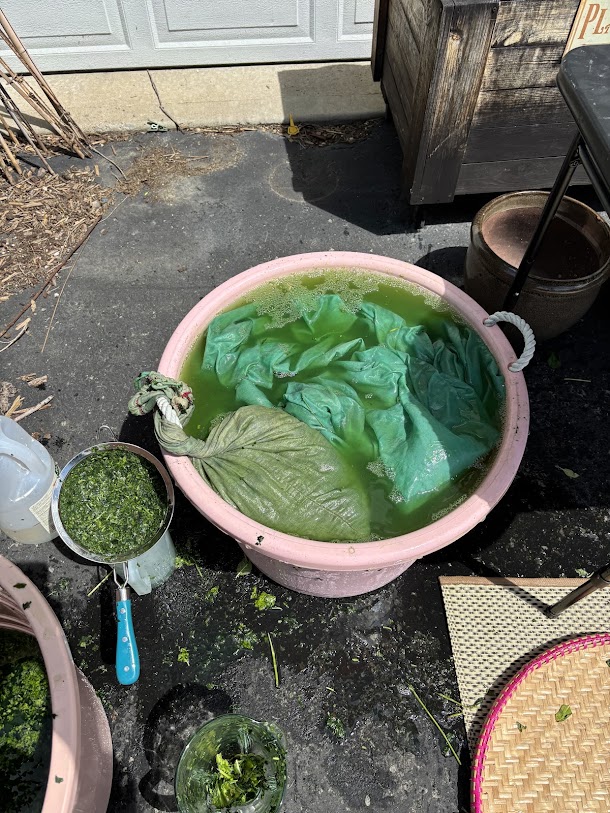
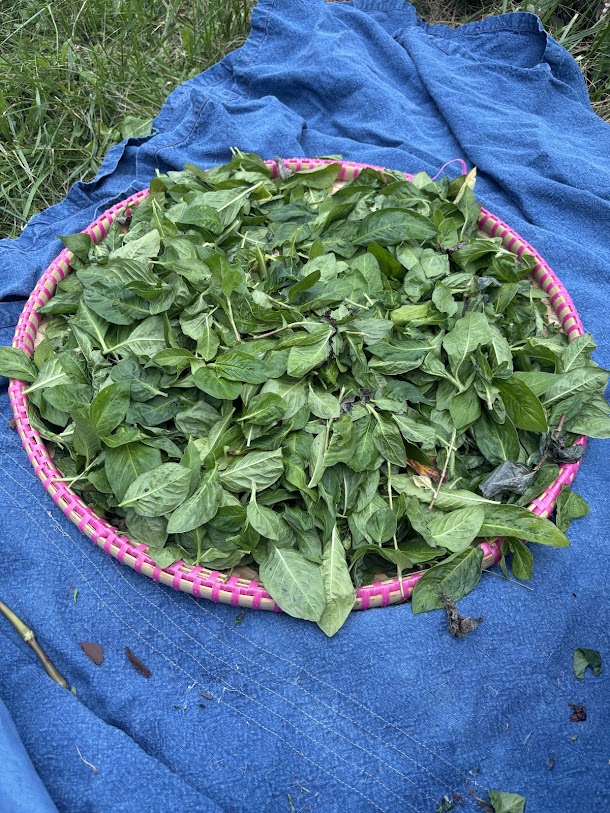
We had a very wet summer, so the indigo growing didn’t impact the water bill much like last time. I’m concerned about the cost of fertilizer for next year; indigo needs nitrogen to make blue. I will continue to use manure and fish emulsion, but I expect the prices on those to increase as a secondary effect. It really isn’t a cost-effective exercise for me, something done just for the joy of it, so I may scale down my efforts and get some native plants in some of the wattle beds instead. I’d be happy just making small amounts of pigment and dyeing some silk for kumihimo. It’s very physical work.

For now, all that’s left to do is gather seeds and harvest the last little bit of indigo for the year. Perhaps I’ll do some more fresh indigo rubbing experiments. I think this is the last year I fresh leaf dye – I’m not a big silk or wool wearer, and I have friends who could use the indigo pigment for painting (I could use it for surizome). Moving forward, I want to make traditional vatted indigo, so I’ll be pursuing the equipment for that.